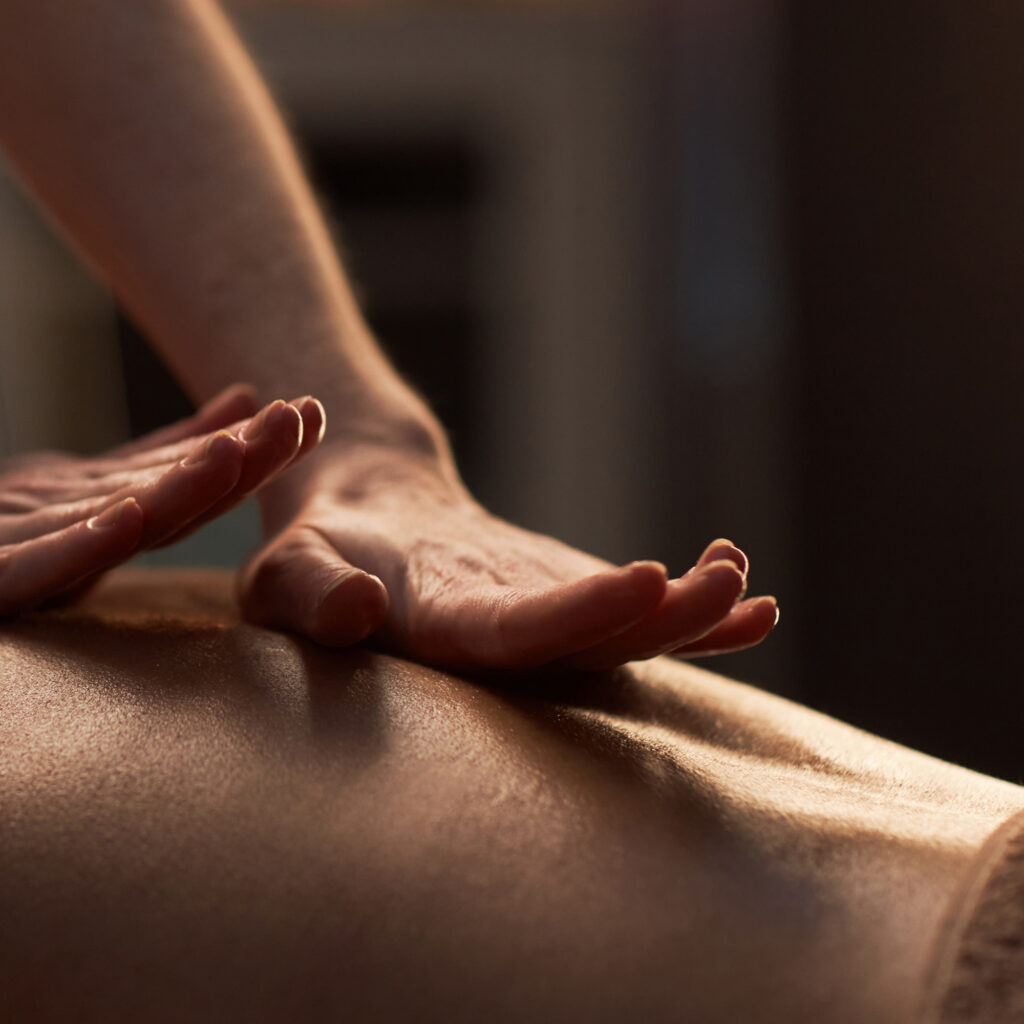
You may benefit from a deep tissue massage if you notice persistent muscle tightness, reduced flexibility, or soreness that does not improve with lighter massage techniques. People who sit for long periods, perform repetitive movements, or engage in regular physical activity often schedule deep tissue massages to support mobility and recovery. This approach works well when you want focused care rather than a purely relaxation-based massage.
Treatment Length:
60 to 90 minutes
Number of Sessions:
Ongoing
Results Duration:
1 week or more
Deep Relief
Targeted muscle pressure designed to release tension and support recovery.
Targeted Pressure
Reaches Deeper Layers
Releases Restriction
Slow Technique
Controlled Movements
Intentional Pacing
Tension Mapping
Identifies Tight Areas
Customized Approach
Adaptive Pressure
Adjusts to Feedback
Comfort Guided
Circulation Boost
Encourages Blood Flow
Supports Recovery
Mobility Support
Improves Flexibility
Restores Range
Stress Relief
Calms the Nervous System
Reduces Overload
Lymph Flow
Encourages Drainage
Reduces Stagnation

What It Treats
Common Concerns
-
Muscle tension
-
Limited mobility
-
Physical stress
-
Postural strain
Benefits
-
Release chronic tension
-
Supports mobility
-
Encourages circulation
-
Reduces physical stress
-
Promotes nervous system regulation
Deep Tissue Massage Options
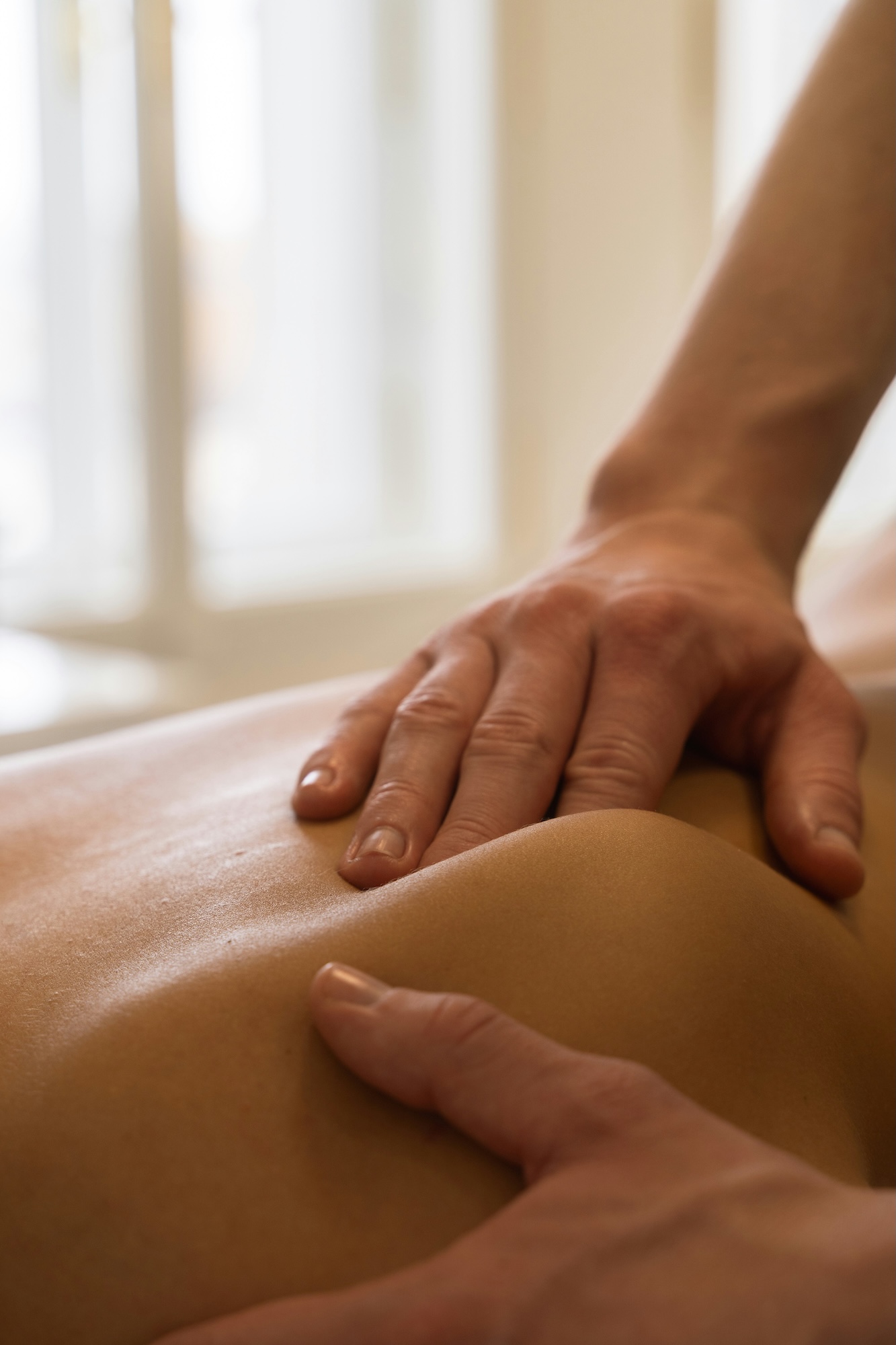
Full-Body Reset
Comprehensive muscular release
Whole-body balance
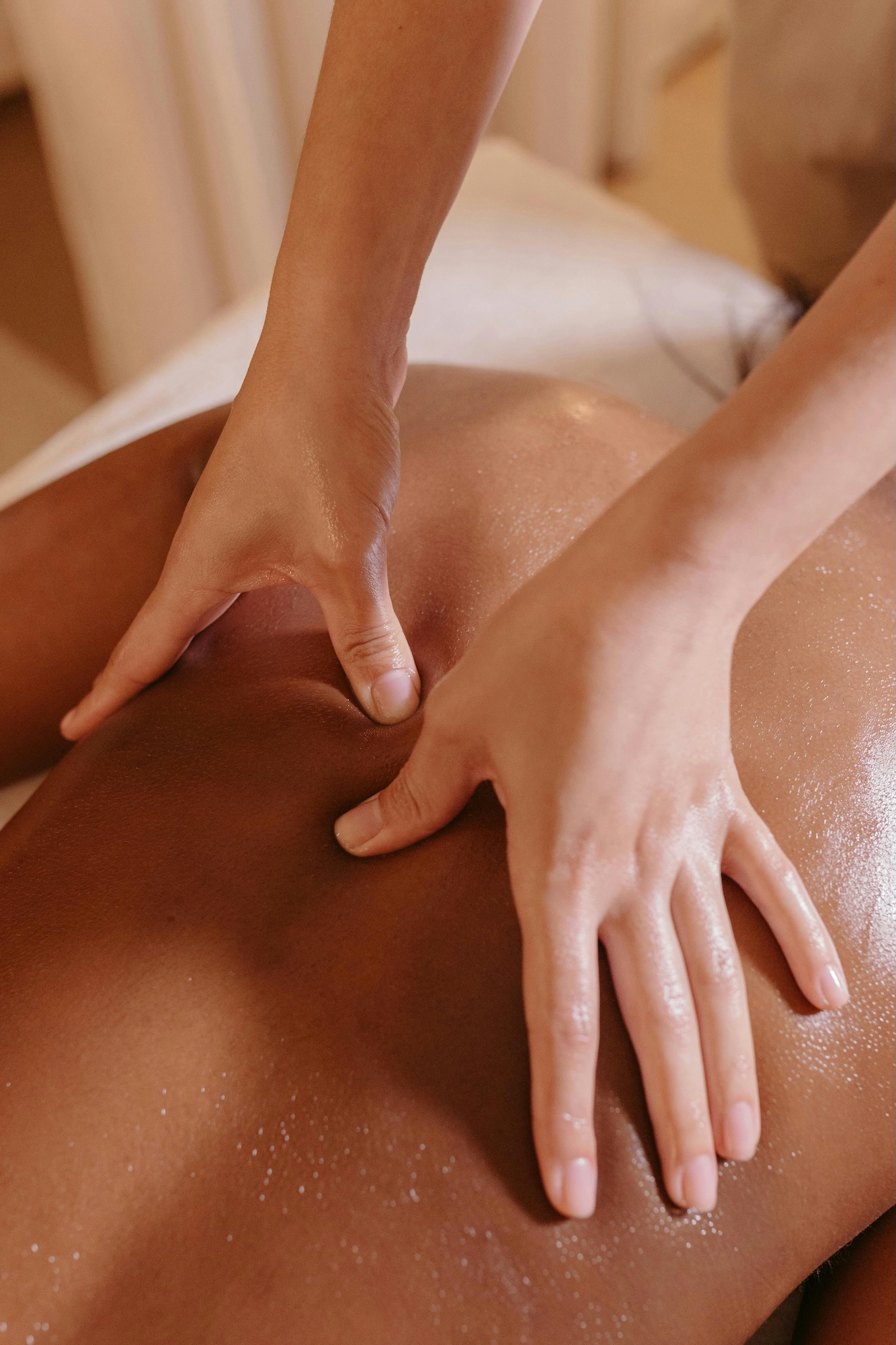
Upper Body Focus
Neck, shoulders, back
Postural support
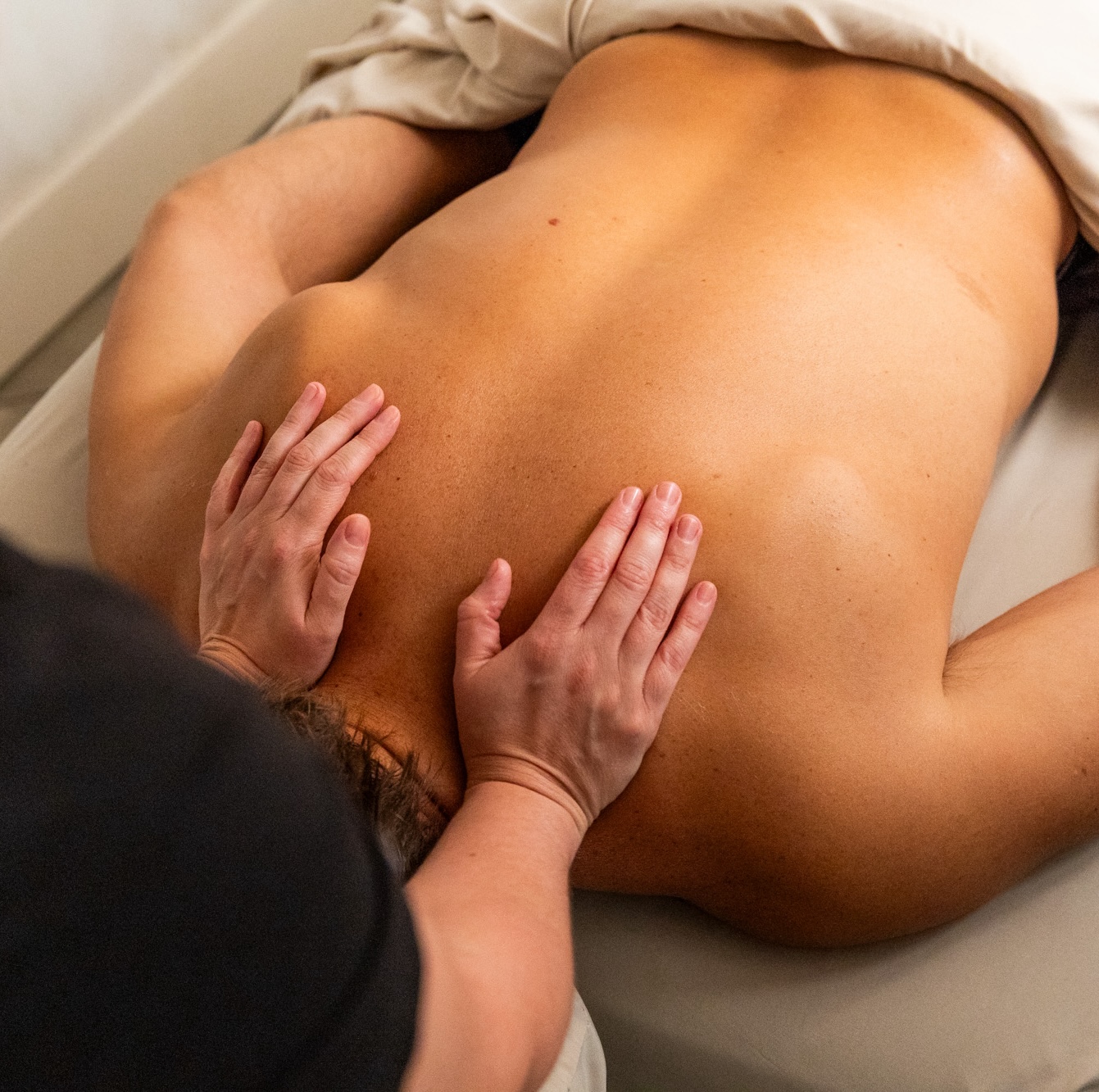
Lower Body Focus
Hips, legs, calves
Movement support
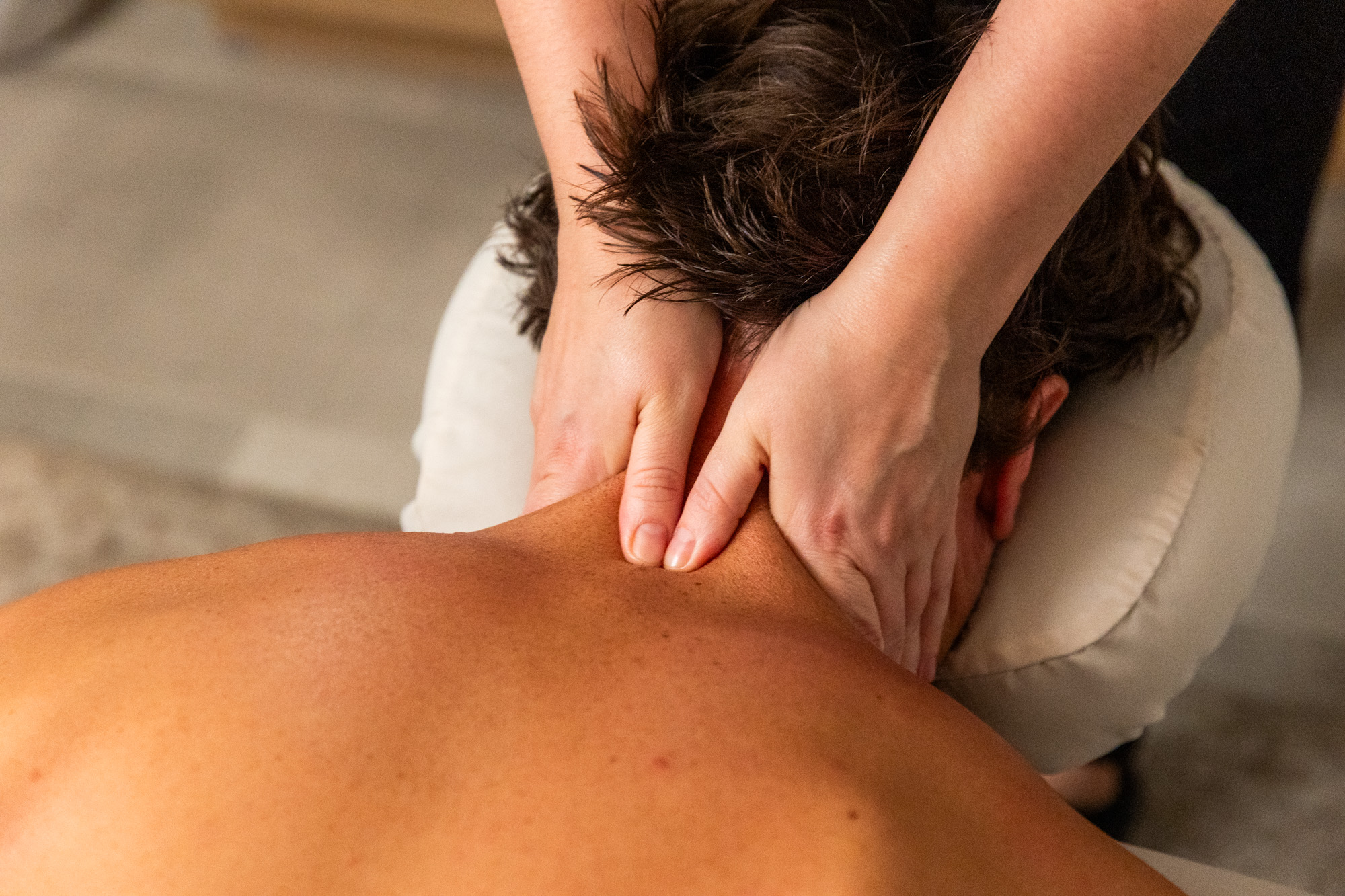
Targeted Relief
Specific tension zones
Precision care
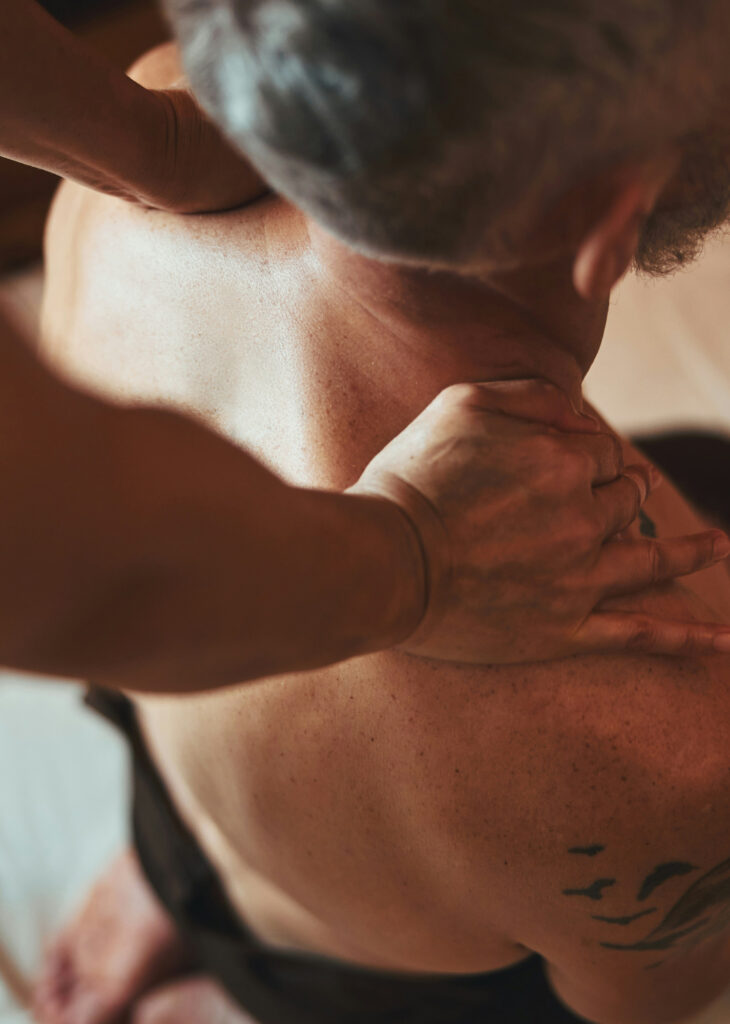
Why Choose a Deep Tissue Massage?
Deep tissue massages support lasting relief by addressing muscle layers that hold chronic tension and stress patterns. Feel tension dissolve in areas that have held it longest.
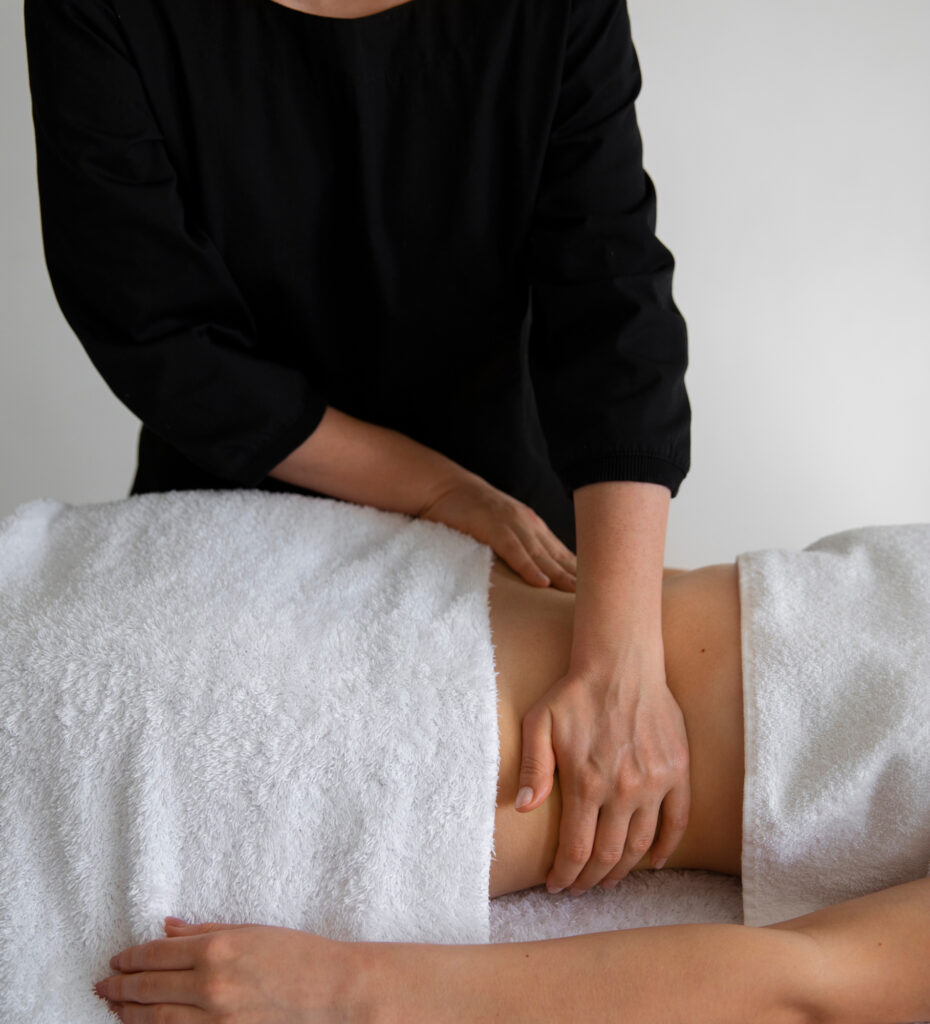
What is a deep tissue massage, and how does it work?
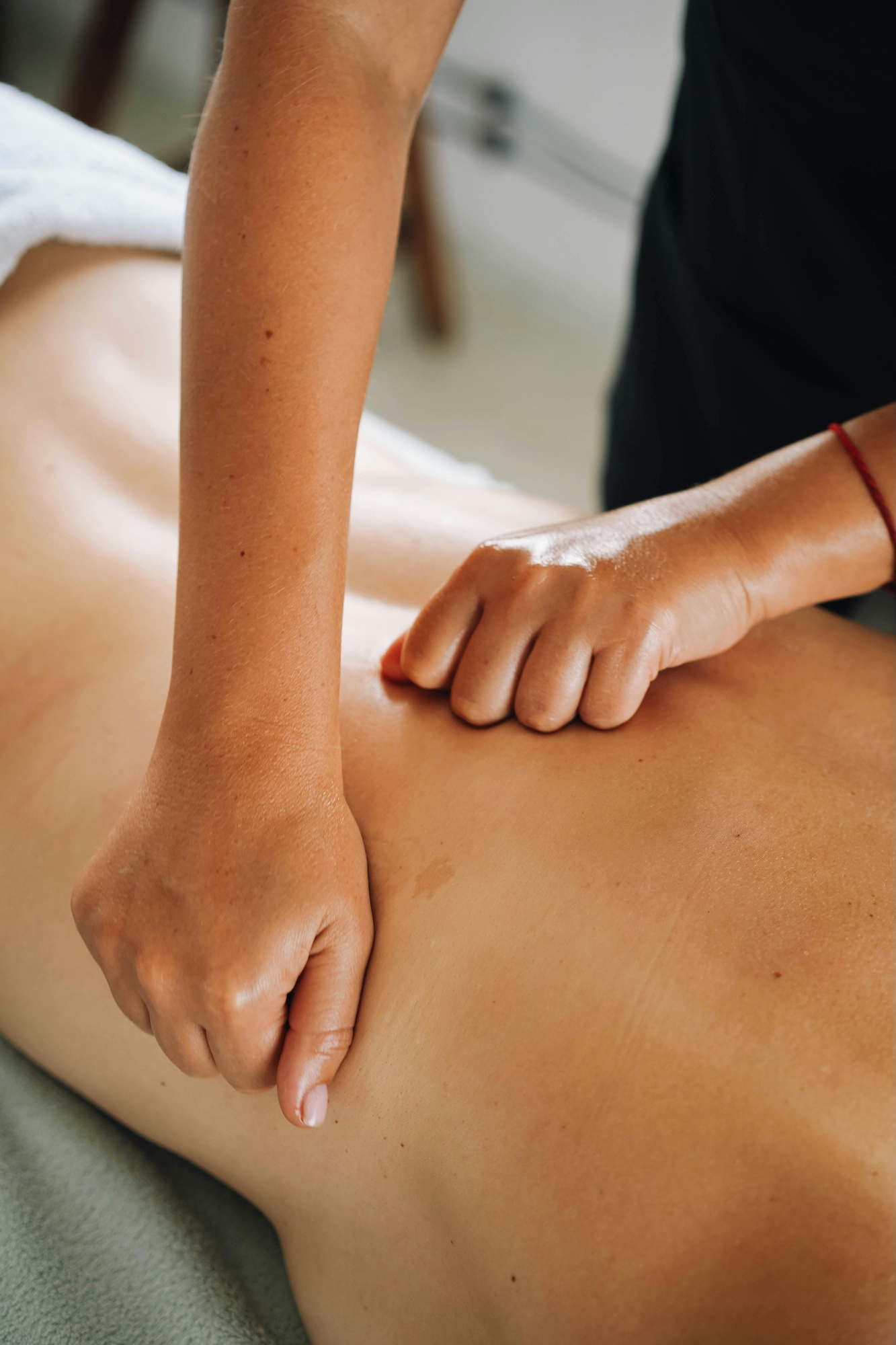
A deep tissue massage uses slow, deliberate pressure to reach deeper layers of muscle and connective tissue. Your therapist works methodically to identify areas where tension, restriction, or overuse patterns have developed. Rather than using fast or superficial strokes, this approach makes controlled movements that allow the tissue to respond gradually.
As pressure increases, circulation improves in areas that often feel tight or limited. Increased blood flow supports oxygen delivery and nutrient exchange within the muscle tissue. Over time, this process helps reduce physical stress patterns and encourages smoother functioning. A deep tissue massage in Chicago offers support for people who experience ongoing muscle tension related to work habits, physical activity, or a sedentary lifestyle.


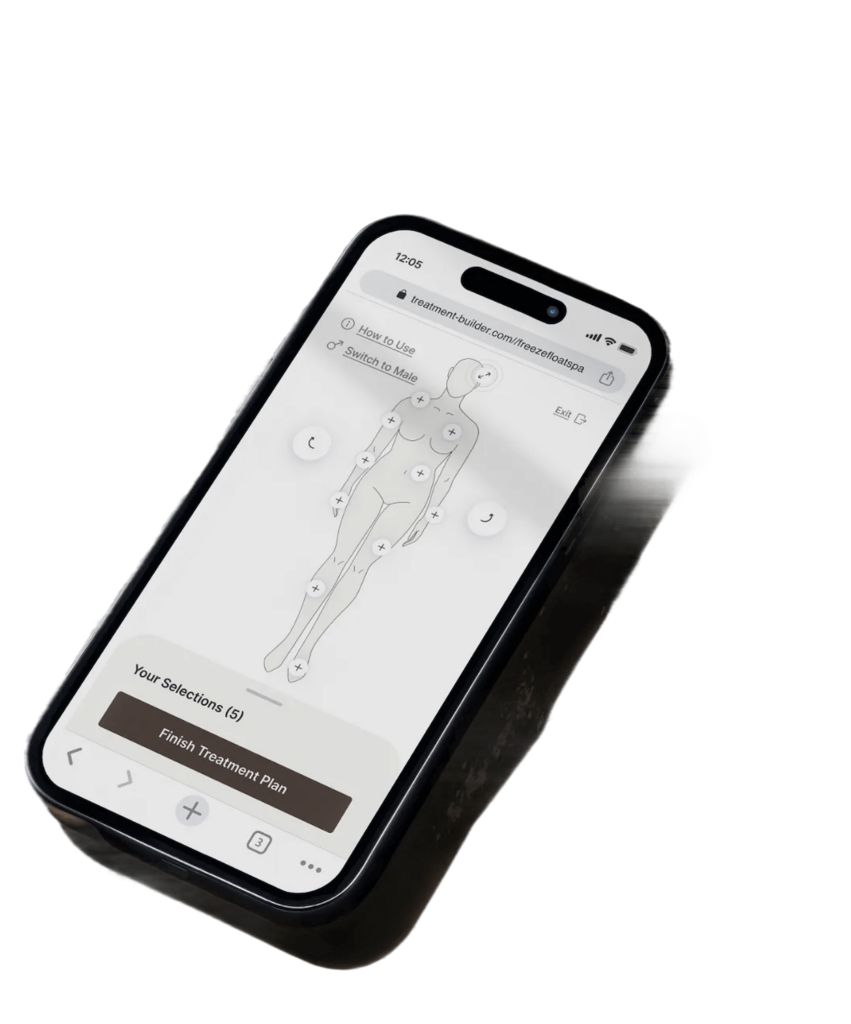
Your Bespoke Wellness Path
Craft a treatment plan shaped around your rhythms, your goals, and the way you want to move through the world.
Your Deep Tissue Massage Journey
Initial Check-In
You briefly discuss your goals, areas of tension, and comfort preferences so the session aligns with your needs.
Body Assessment
Your massage therapist observes movement patterns and tension to choose the pressure and techniques they apply.
Hands-on Work
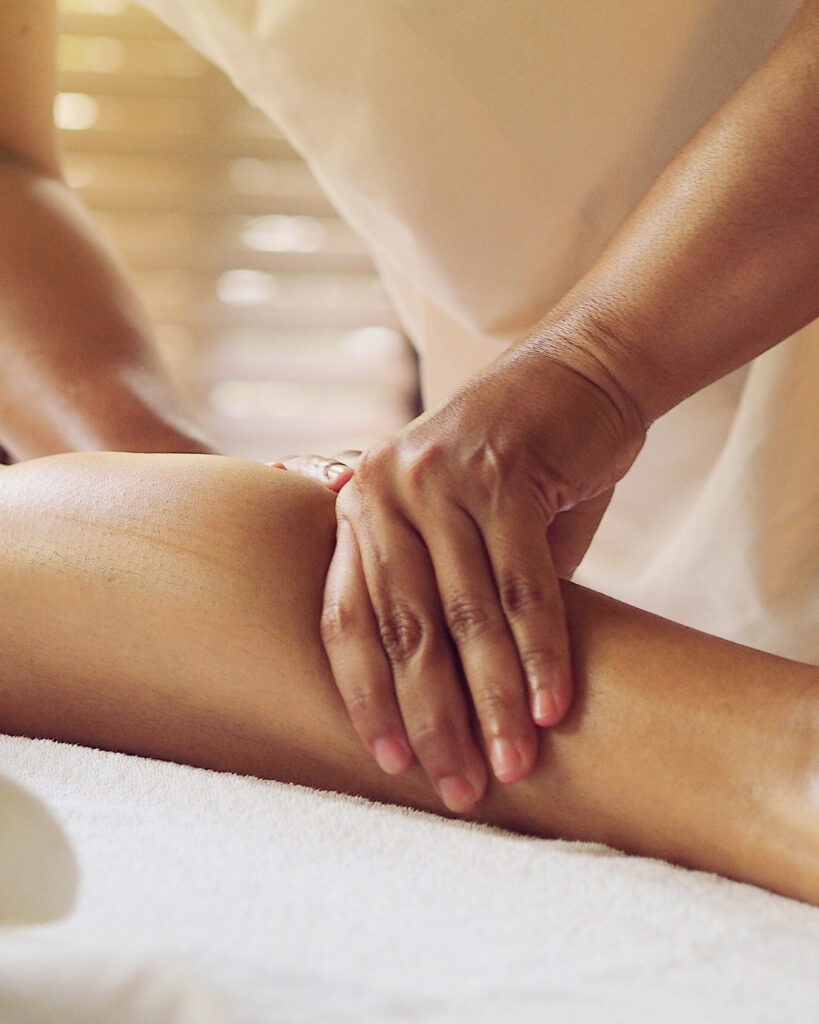
Slow, focused strokes target deeper muscle layers, with adjustments based on your feedback.
Aftercare Guidance
We provide simple guidance on hydration, movement, and rest to support your ongoing recovery journey.
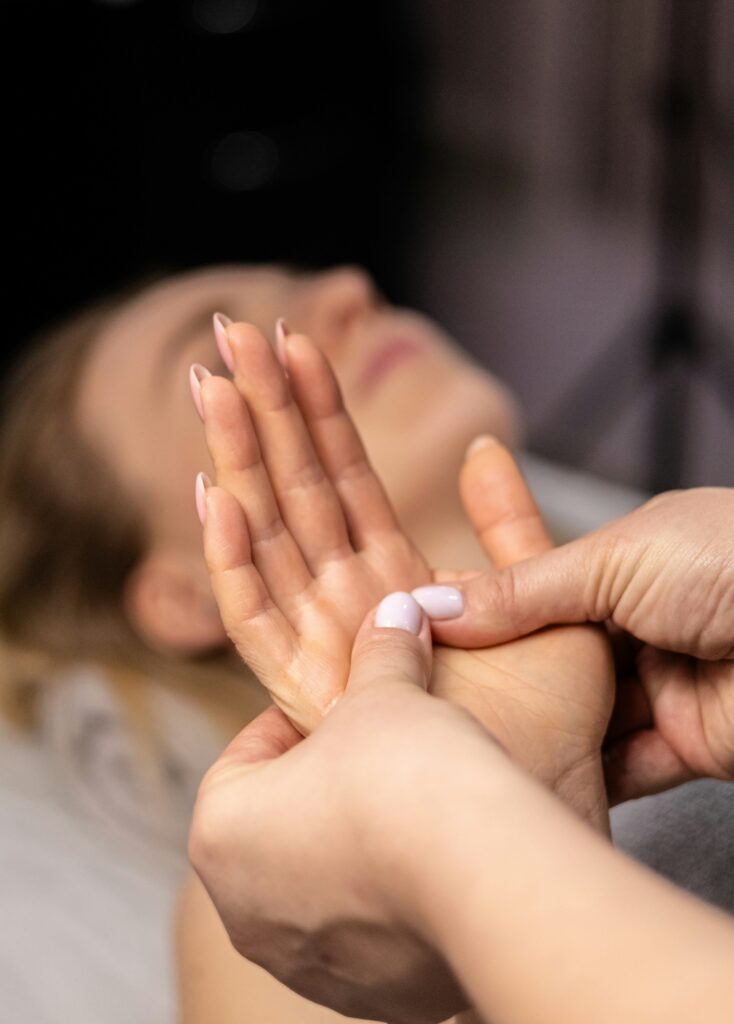
What Makes a Deep Tissue Massage Different?
A deep tissue massage focuses on slow, intentional pressure, rather than relaxation-based techniques to support deeper muscular release.

Begin Your Renewal
Request a personalized appointment crafted to support your wellness goals.
Frequently Asked Questions
A deep tissue massage is safe when performed by licensed professionals. You should always share injuries, sensitivities, or medical considerations before your session, so your massage therapist can adjust techniques appropriately.
A deep tissue massage can feel intense at times, but it should not feel overwhelming or painful. Your massage therapist adjusts pressure based on your feedback and comfort level during the session. Sensation often feels like “good discomfort” rather than sharp pain. Open communication ensures the session is supportive and effective.
After a deep tissue massage in Chicago, you may feel more relaxed, lighter, or mildly sore. This response reflects increased blood flow and muscular engagement. Soreness typically resolves within 24 to 72 hours. Drinking water, gentle movements, and rest help support recovery and extend the benefits.
Frequency depends on your goals and physical demands. Some people benefit from weekly sessions during periods of high stress or activity, while others prefer biweekly or monthly maintenance. Consistency supports better long-term results than occasional visits.
Yes. A deep tissue massage in Chicago pairs well with IV therapy, float therapy, vitamin shots, and facials. Combining therapies supports circulation, recovery, and nervous system balance.
Arrive hydrated and avoid heavy meals immediately before your session. Afterward, stay hydrated, allow time for rest, if needed, and incorporate gentle stretching or movement to maintain flexibility and circulation.