You may benefit if you experience muscle soreness, high stress, mental fatigue, or inconsistent energy. Cold plunging often appeals to people who train regularly, manage demanding schedules, or want tools to build resilience against stress. This practice works best when approached consistently and intentionally, rather than sporadically.
Treatment Length:
45 minutes
Number of Sessions:
Ongoing
Results Duration:
Up to 24 hours
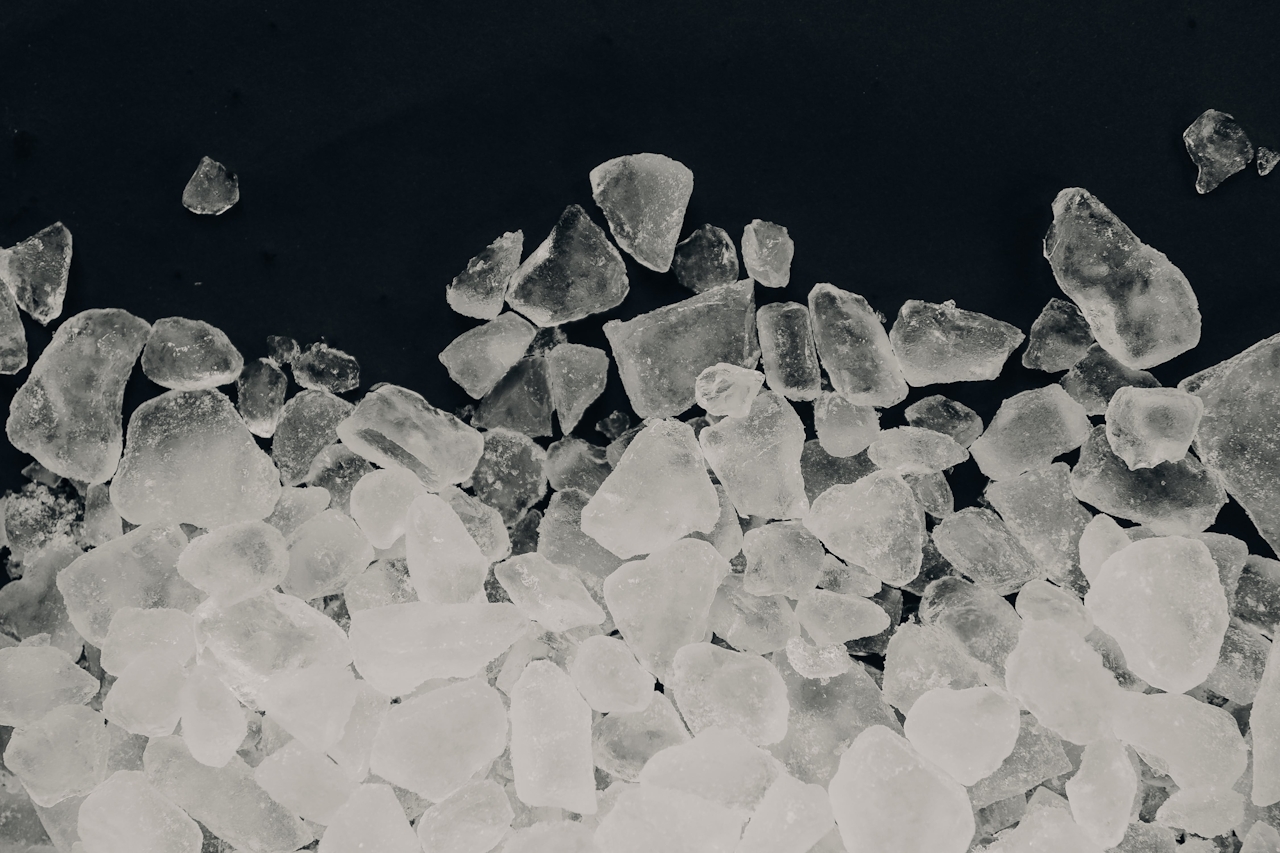
Cold Exposure
Intentional cold exposure designed to challenge and support the body. Feel invigorated and alert.
Cold Immersion
Full-body Exposure
Controlled Temperature
Nervous Reset
Stimulates Response
Builds Resilience
Circulation Shift
Constriction and Release
Blood Flow Support
Mental Focus
Breath Awareness
Mind-body Control

What It Treats
Common Concerns
-
Muscle soreness
-
Chronic inflammation
-
Anxiety
-
Depression
-
Insomnia
-
Metabolic health
-
Poor circulation
-
Low energy
Cold Plunge Options

Solo Plunge
Self-guided immersion
Focused experience
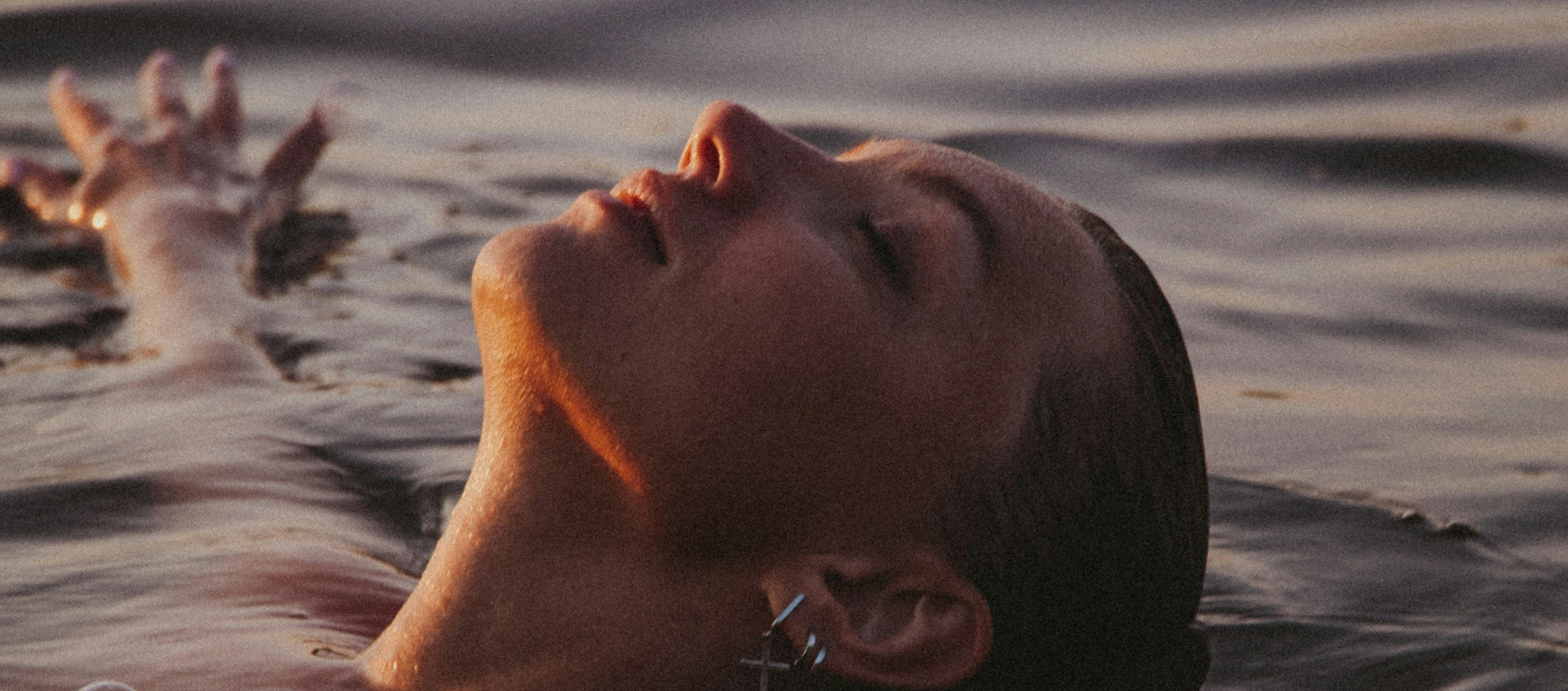
Contrast Therapy
Cold and heat
Circulatory support
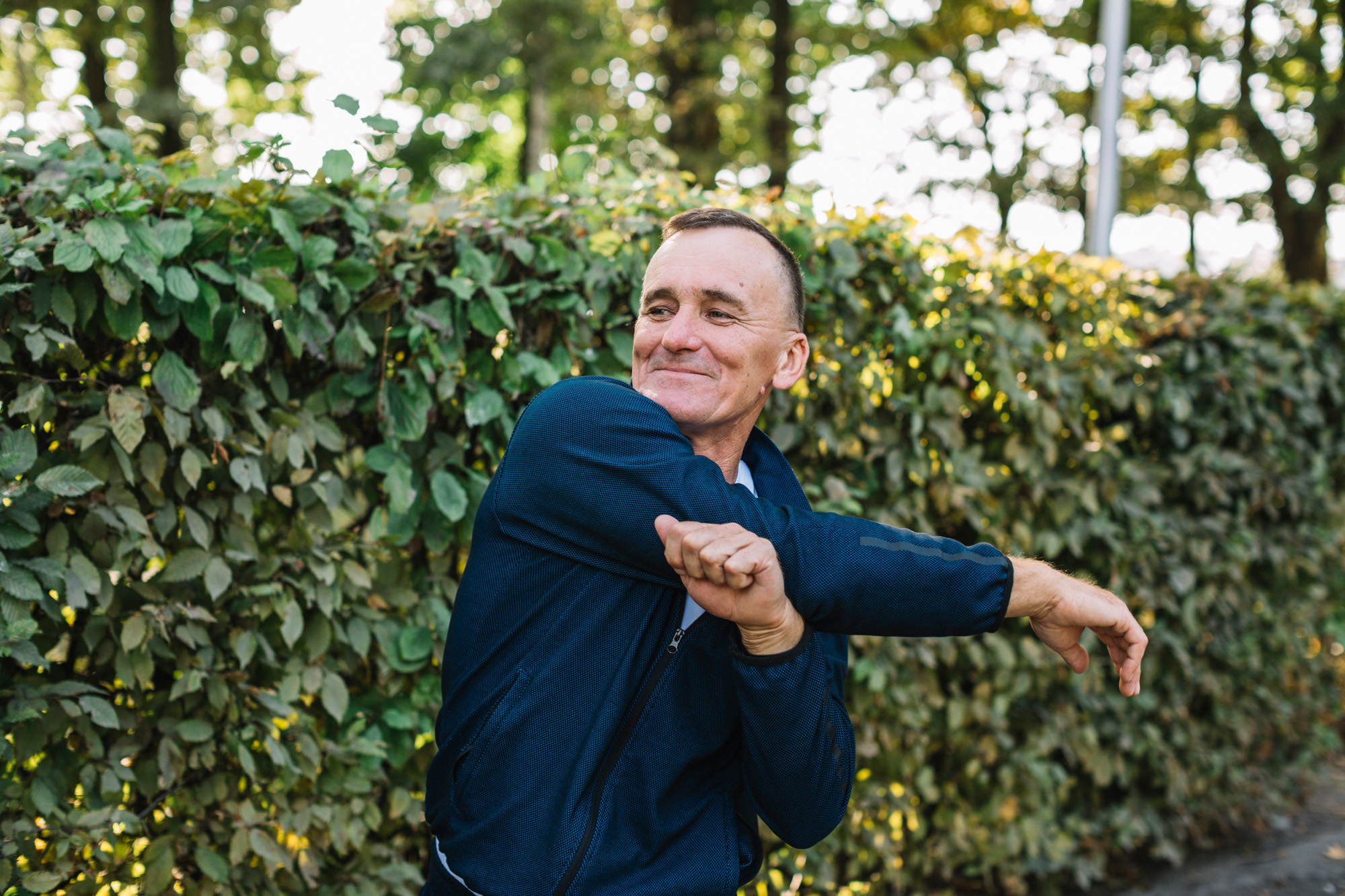
Recovery Focus
Post-workout use
Muscle reset

Consistency Protocol
Routine exposure
Adaptation support

Why Should I Choose a Cold Plunge?
Cold exposure challenges your nervous system in a controlled way, helping your body build tolerance, resilience, and recovery abilities over time.
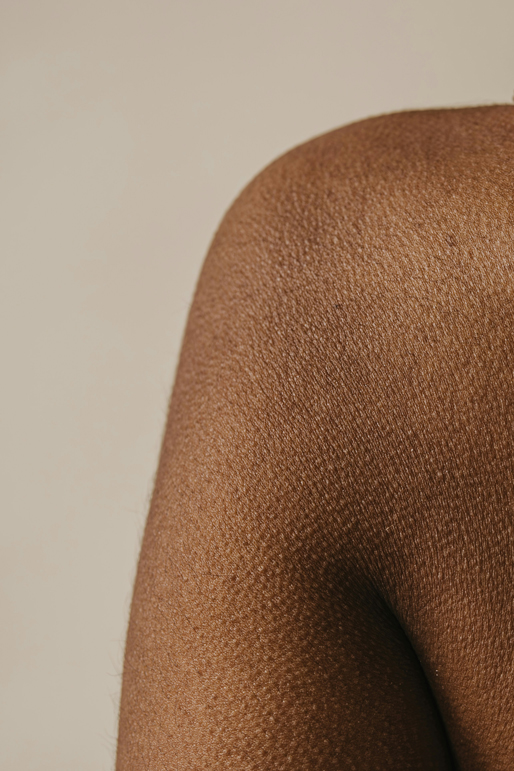
How Does a Cold Plunge Feel?
Cold plunging feels intense at first, then grounding as your breath steadies and your nervous system adapts to the cold.


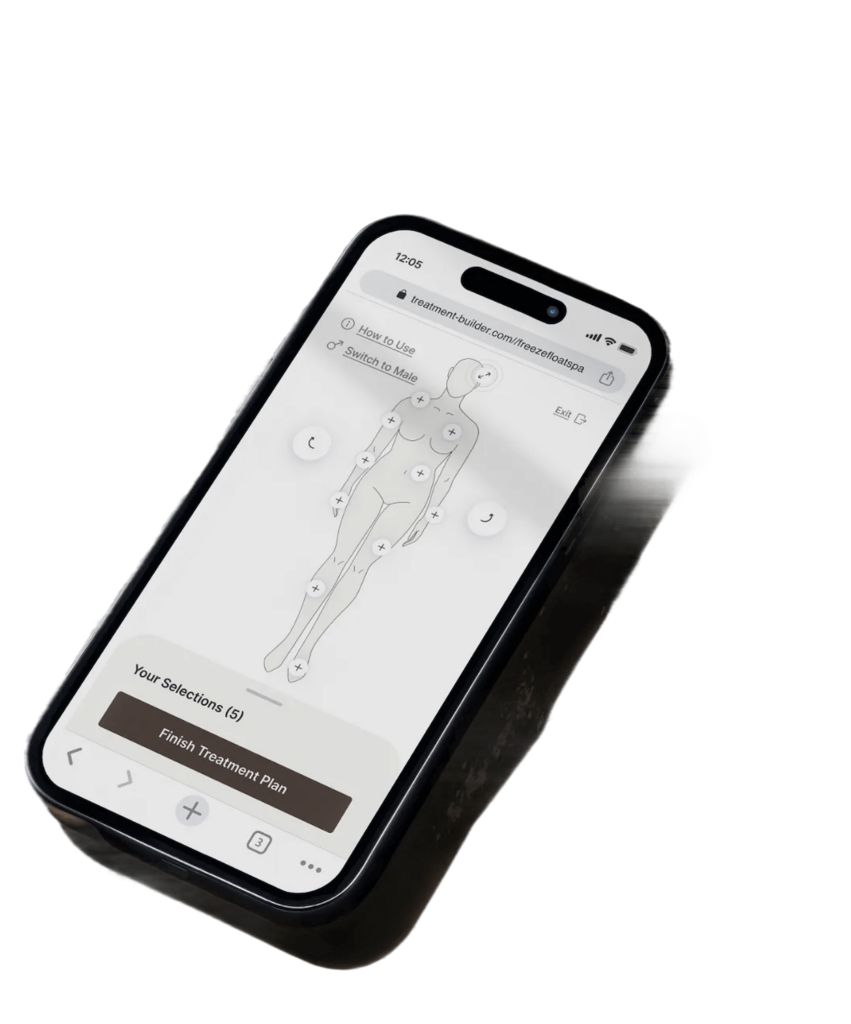
Your Bespoke Wellness Path
Craft a treatment plan shaped around your rhythms, your goals, and the way you want to move through the world.
Your Cold Plunge Journey
Initial Discussion
You discuss your experience level, goals, and comfort with cold exposure so your provider can match you with the appropriate intensity.
Safety Overview
Your provider reviews breathing strategies, time guidance, and safety cues to help you stay present and controlled.
Plunge Guidance
You enter the cold at a pace that supports regulation, not shock, so you can focus on your breath and awareness.
Post-Plunge Recovery
You receive guidance on warming up, staying hydrated, and your recovery habits to help your body transition after the experience.

What is a cold plunge, and how does it work?
A cold plunge involves intentional immersion in cold water for a short, controlled period of time. The cold creates a strong sensory stimulus that activates your nervous system, circulatory response, and breathing patterns.
When you enter cold water, your body responds by constricting blood vessels and increasing alertness. Once you exit and rewarm, circulation increases as blood flow returns to the tissues.
A cold plunge in Chicago focuses on controlled exposure rather than endurance. The goal is regulation, recovery, and adaptation instead of pushing through discomfort without awareness.

Begin Your Renewal
Request a personalized appointment crafted to support your wellness goals.
Frequently Asked Questions
The duration of your plunge depends on your experience level and tolerance. Some people begin with 30 to 60 seconds, while others work up to several minutes over time. Your provider helps you understand safe time ranges so you can focus on breath control and awareness instead of duration alone.
The frequency of sessions varies. Some people plunge several times per week, while others use cold exposure to recover from workouts or stressful periods. A cold plunge in Chicago works best when the session aligns with your recovery needs rather than a rigid schedule.
A cold plunge in Chicago remains safe when you follow proper guidance, limit exposure time, and avoid plunging with contraindications. Before participating, you should always share if you have cardiovascular concerns, circulation issues, or if you are pregnant. Provider guidance helps ensure a safe experience.
The initial cold feels sharp and surprising. As your breathing slows, many people notice a sense of clarity and presence. Once your system settles, the experience often feels more grounding than energizing.
Cold exposure supports shifts in blood circulation and nervous system regulation that many people associate with improved recovery. It does not replace proper rest, nutrition, or sleep, but it can complement those habits when used intentionally.
Yes. A cold plunge in Chicago pairs well with infrared sauna sessions, massage therapy, IV therapy, and body contouring. Contrast approaches often help reinforce recovery routines.